
Introducing September Helan
Yujie (Gigi) Gao (no relation to Emma Gao) was standing behind a booth at ProWein Shanghai. Amongst the ‘Young Chinese Winemakers’, she appeared reserved and muddled; several bottles lacking labels and others hastily added at the last minute. I found myself drawn to the beautiful labels and approached the booth, introducing myself.
She looked at me like a deer in headlights. She didn’t speak any English.
I looked at her, frozen. I didn’t speak any Chinese.
I went home that night and enrolled myself in Chinese lessons.
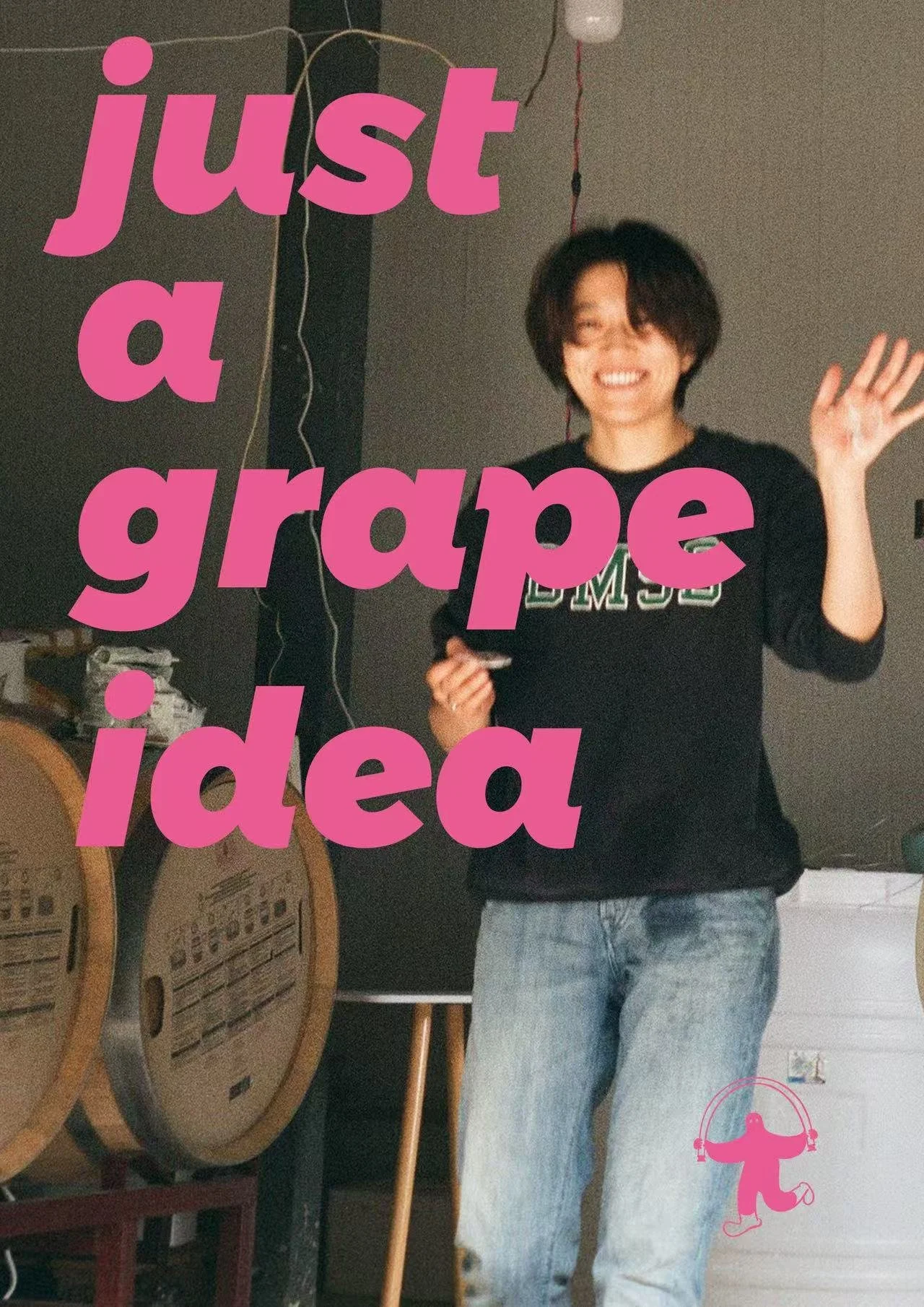
September Helan’s story is a Chinese cliché: a small winery and retirement project from Gigi’s parents that fell into Gigi’s hands, ready for a new vision and reinterpretation. Originally pursuing a career in architecture, Gigi has since devoted her life to winemaking, undertaking a PhD in oenology and completing 10 vintages at September Helan.
Gigi’s wines possess vibrancy and vitality, with the ‘Home Grown’ label serving as the proving ground for wines focussed on indigenous ferments, fruit purity and ripeness. The lighter-bodied Marselan shares more in common with Grenache than its other parent, whilst the macerated white balances generosity with an acidity not often buried under oak amongst other wines in the region.
In 2025, the local government reclaimed the family’s 33-acre vineyard and rezoned the area for an airport, turning September Helan from an estate to a négociant overnight. Whilst Gigi intends to establish another vineyard in the future, the decision has provided her an opportunity to think about the future - location, farming practices, varieties, and clonal material.
Introducing Lingering Clouds
I first met Jianjun ‘Johnny’ Liu on the outskirts of Yinchuan, Ningxia, late last year. An awkward, erratic technical engineer from Henan, he was working out of a nondescript, cluttered winery that left a lot to be desired, but the wine he had in tanks was a stimulating peek into a new expression of Chinese terroir. Johnny fell into the world of wine in 2012 working under Emma Gao and Thierry Courtade at Silver Heights. During his time he saw the winemaking process from vineyard management to fermentation, to bottling, and established Lingering Clouds in 2015.
The sparkling wines from Lingering Clouds are all infused with high-quality Chinese tea leaves.
Three different teas are used across three cuvées: Fuzhou nine-scented Jasmine tea leaves, where tea leaves are layered and blended to absorb the jasmine’s fragrance nine times; Low-yielding Longjing from Lion Peak Mountain harvested before the fifth Chinese solar term; and Oolong tea leaves from the Wuyi Mountains of Fuijan blended with from the Phoenix Mountains of Guangdong.
Working with a Chardonnay base, leaves are added during fermentation for a light, slow extraction preserving the tea’s aromas. According to Johnny, it took a few trials to get right, balancing the volume of tea with the infusion time, but the end product marries his love for tea and passion for wine, resulting in something full of character and unique to China.
Co-ferments are a key part of China’s winemaking history dating back to Silk Road days, and today’s wines carry a sense of place where tea and rice are the foundation of everyday life. Just like Silver Heights’ ‘Bloom’ Sparkling, Lingering Clouds draws from China’s ancient history and profound tea culture, resulting in a wine where an extraordinary idea just makes sense.
Introducing Shofang
When my partner-in-Chinese-wine, Francesco, showed me Shofang wines for the first time, admittedly I wasn’t convinced. I had a laundry list of wineries I wanted to work with at that point and wasn’t looking to add another. But when I got dragged out for a midnight dinner just an hour after landing in Shanghai to San Bai Bei, a late-night spot specialising in Ningbo’s hallmark stinky dishes, I grabbed onto the one thing I recognised and found comfort in - Shofang’s Pear Cider.
In the same week I met Shofang’s husband Levi Lee. Admittedly, I tried to gloss over talks about the wines, but then Levi mentioned the very thing I had been looking for: “A fortified with our old vine Muscat Hamburg.”
Levi dropped off samples that very afternoon. I packed them in my suitcase and left China the next day. I couldn’t believe I had previously glanced over something so exciting - with such variety in their cuvées and an affordability that was near impossible to find in the Chinese wine world.
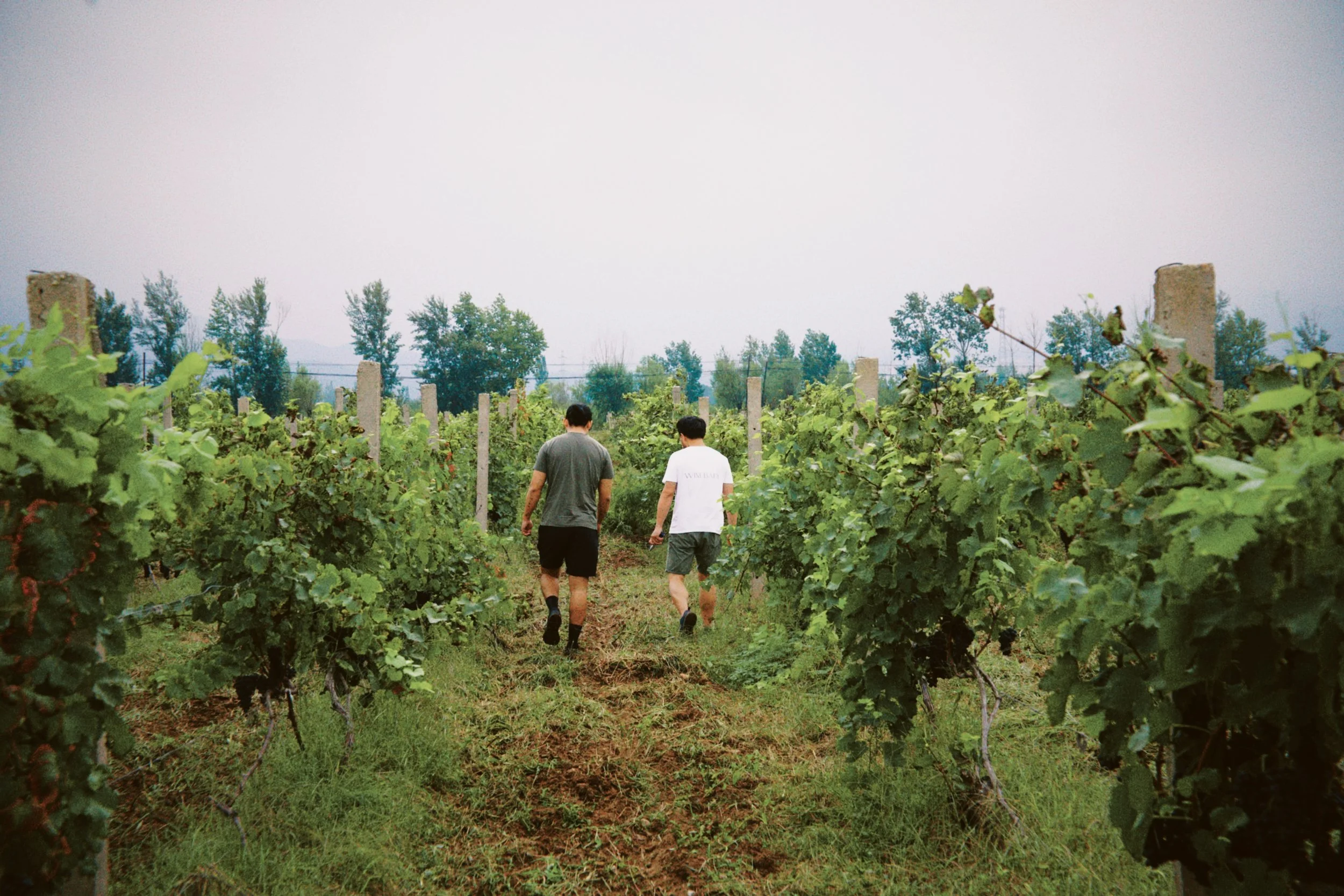
Shofang Hu found early exposure to viticulture through her family’s vineyard in Hebei, planted in 1990. Like many vineyards in the region, grapes were planted to meet increasing demand for wine following the commercial success of COFCO Great Wall Co. Her fascination with viticulture led her to study winemaking in Xi’an, before moving to Australia to complete vintages in South Australia’s McLaren Vale. Whilst studying winemaking at the University of Adelaide, she met her husband-to-be, Levi Lee, in 2016.
Originally from Nanjing, Levi was in Adelaide also studying winemaking and working vintages at Murdoch Hill in the Adelaide Hills, Samuel’s Gorge in McLaren Vale, and Stella Bella in Margaret River. A chance to take over Shofang’s family’s winery in 2019 - coinciding with the couple’s wedding - brought them back to Qinhuangdao where Shofang started making wine under her own name with some of China’s oldest commercial vineyards.
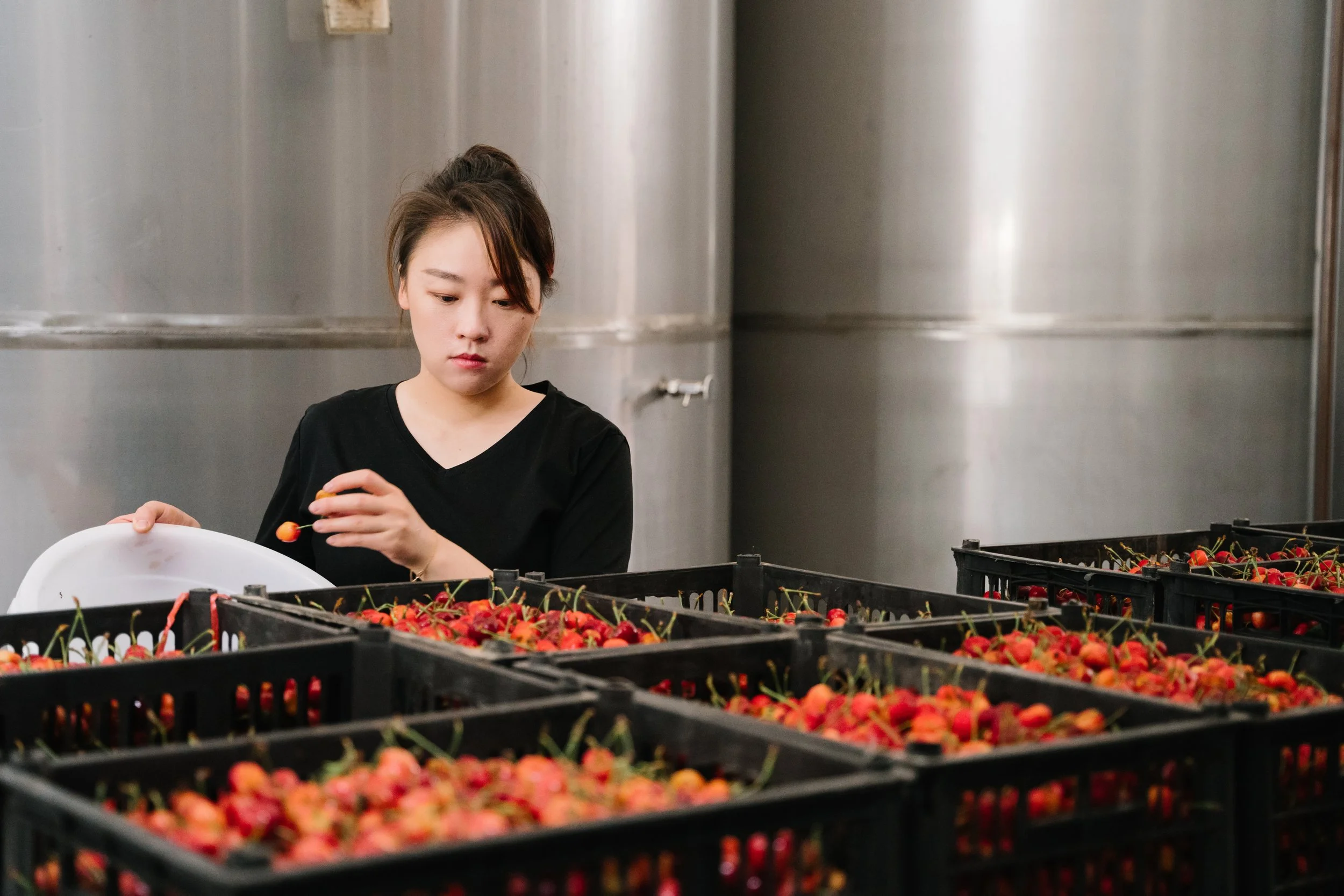
Shofang cherishes her hometown’s terroir and acknowledges the region is better suited for alternative varieties such as Muscat Hamburg, which has a 200-year history in the region. Single-varietal reds are only made in the best years, and instead the focus is on old-vine Muscat Hamburg - with some vines planted in the 1940s.
Whilst many young winemakers have a very high number of cuvées with similar identities, Shofang’s 15 cuvées each carry distinct personalities and intentions. Aromatic, delicate white wines, a skinsy Muscat, an off-dry rosé, and several reds from a sessionable, light Cabernet Sauvignon, a fuller-bodied Shiraz-Viognier, to an Amarone-style Cabernet Sauvignon - made in response the difficult growing conditions - round out the wine offerings. The aforementioned fortified Muscat Hamburg delivers one of China’s only dessert wines. To top it off - a series of ciders made from apples, pears, and cherries endemic to Qinhuangdao.
Having already been exported to the US and Mexico, we are so excited to bring these wines to Australia - Shofang and Levi’s second home .
Introducing Gloriville
“I’d describe Chengzi’s style as no compromise. I tasted through his entire range in 2023, and I admire his bravery and desire to experiment - with the Longyan blend being my favourite.” - Simon J Woolf
Gloriville is one of the wineries I discovered early during my research of Chinese wine, often mentioned alongside Xiao Pu as one of the leading natural winemakers in the country. However, as was often the case with Chinese winemakers, there was no way to contact them through conventional Western means.
Fast forward to my week in Shanghai for RAW Wine, where I met Chengzi and finally tried his wines for the first time. The red wines were good, with an intensely reductive, savoury red fruit character only achievable from Marselan grown in China. The macerated whites, however, carried so much character. I had heard a lot about this grape - Longyan - a member of the v. vinifera family with an 800-year history in China, but to my knowledge it had only been used to produce low-quality, simple table wines, notably by Great Wall Wine Co. since 1978.
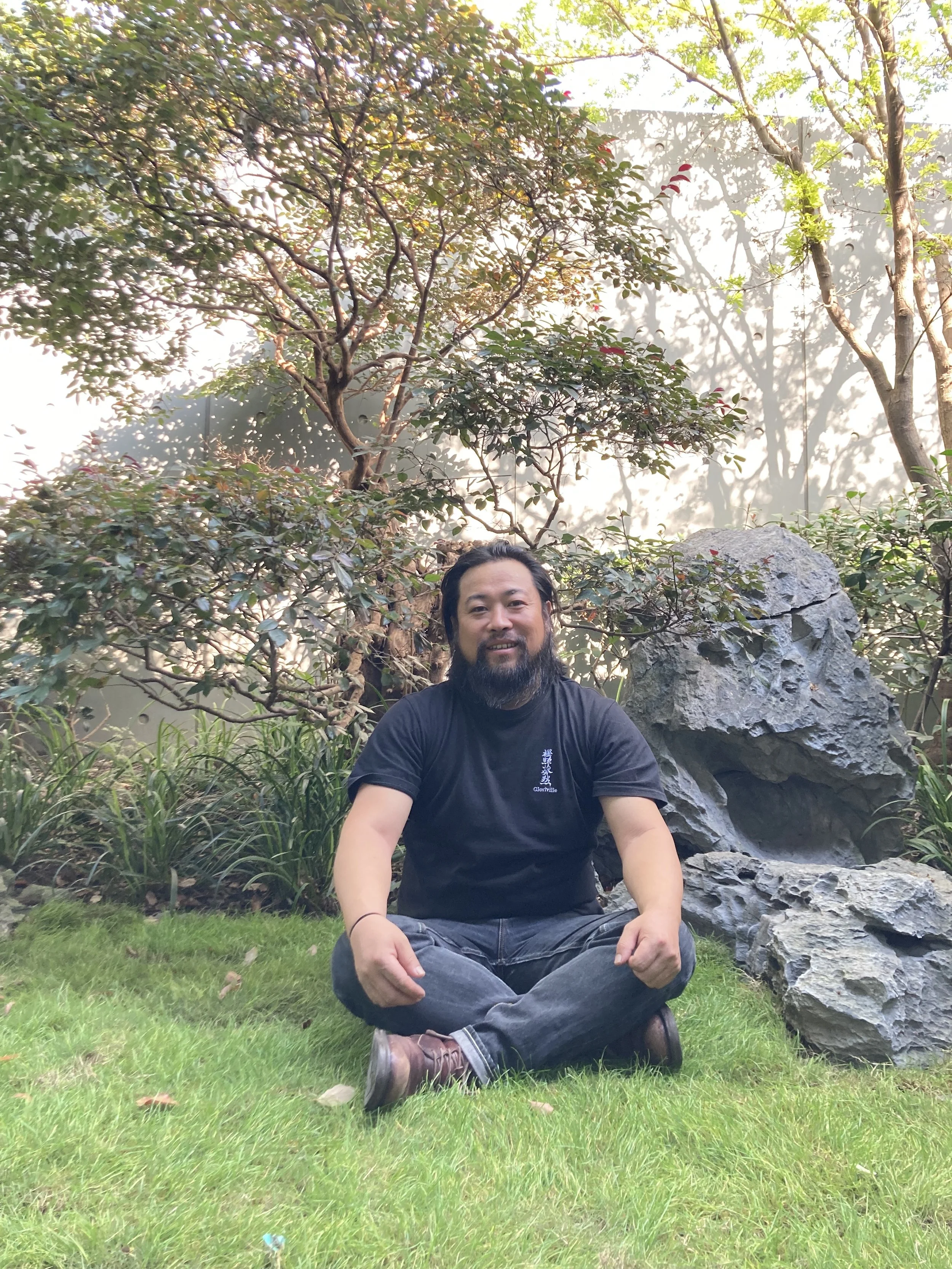


Chengzi was an imposing figure, with a lengthy, stiff beard and fantastic man bun. He only spoke Chinese and Japanese, so we communicated via WeChat translate. Contact cards were exchanged, and I told Chengzi I would love to bring his wines to Australia. I packed a few samples and opened them in Melbourne at the place I best saw fit - a Peking Duck restaurant. The dinner was perfect - the food and the wine playing into the intricacies and subtleties of the wine, and delicate duck.
At the foothills of the Great Wall of China in Zhangjiakou, Hebei, the Gloriville story is a common experience in the region. With 10 hectares of vineyards planted in 1999 to serve large state-owned wineries, Chengzi’s family saw viticulture as an opportunity to contribute to China’s wine boom in the early 2000s. During his childhood, Chengzi had no interest in becoming a winemaker. However after discovering the ‘natural’ wine trend in 2013, Chengzi took over his retired parents’ estate, immediately stopped selling the grapes to the larger, state-owned wineries where they would just be blended off, and transitioned the winery into an independent, organically farmed, environmentally conscious vineyard.
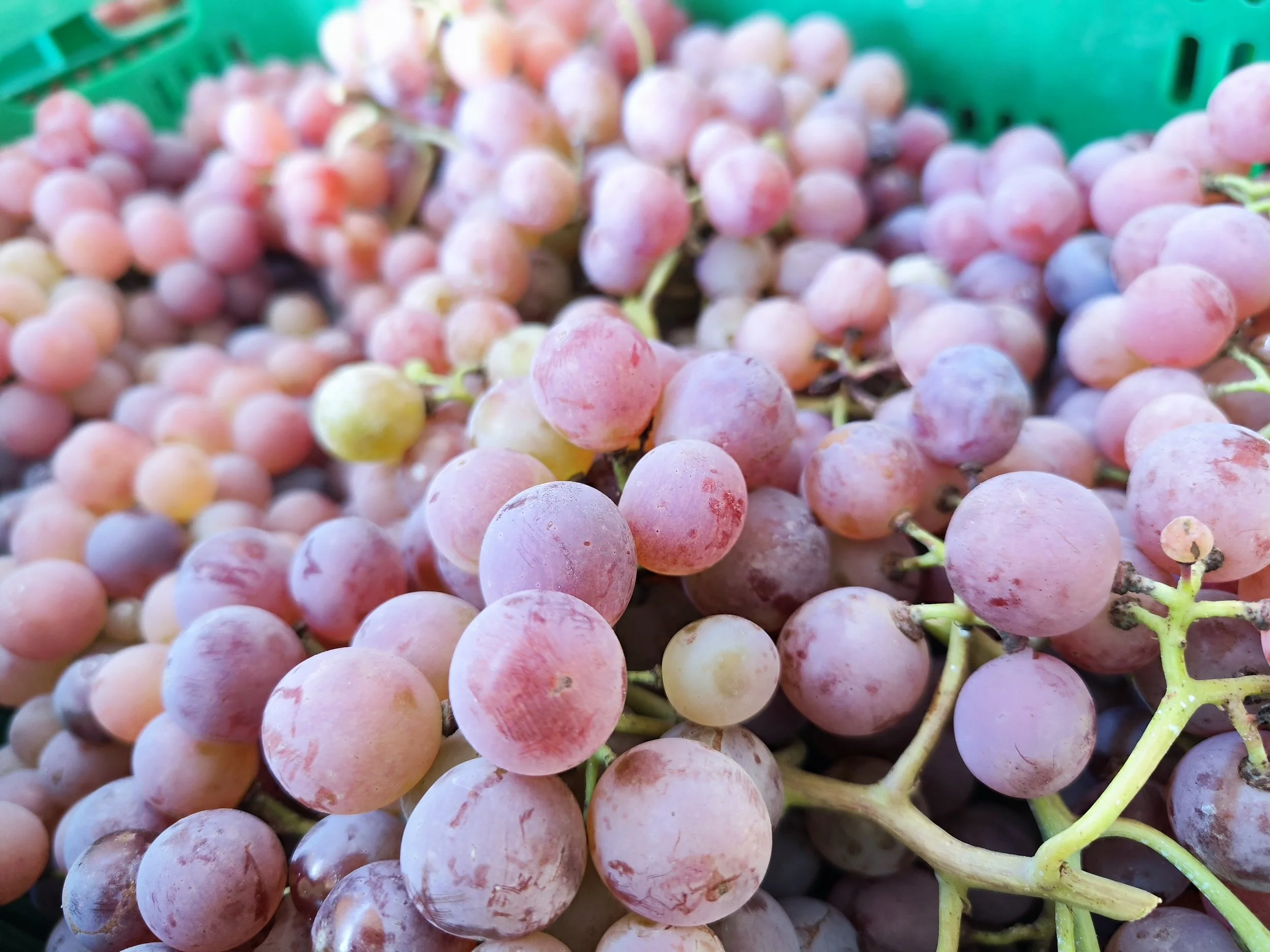
His drawcard - Longyan (pictured above) - is a late budding variety, hardy against late spring frosts and high yielding, producing heavy bunches often four to five times larger than Cabernet Sauvignon. Similar to Gewürztraminer, its skin turns red as it matures. With an 800-year history in Hebei, Chengzi believes it only makes sense to champion something with such an extensive history in the region, especially when previous regional trends struggled to grow quality Cabernet Sauvignon.
Gloriville is as anti-establishment as it gets. Grapes originally intended for industrial use have been fermented with no additions, no corrections, no added sulphites, no filtration and no fining. As of 2023, the winery has been converted to biodynamic principles and is now seeking to become the second Chinese winery with Demeter certification.
I am proud to announce that Australia will be Gloriville’s first exported destination, landing in Melbourne at the end of October.
Introducing Tinnyu
“One thing that stands out among top Chinese bottles this year is the geographical shift in quality toward the southwestern part of the country – especially in the far, elevated vineyards of the Diqing Shangri-la area of Yunnan province. Characterized by its complex, fragmented and hard-to-get-to terroirs, this region is becoming a key source for premium – though often limited-production – wines [where] demand consistently exceeds supply, especially for a few highly sought-after chardonnays.” - James Suckling
My first trip to China was earlier than expected, in May 2025. Sleepy’s Cafe owner Steve Chan had approached me just a few months beforehand with an idea; “Let’s go to Shanghai for RAW Wine!” Such an exciting opportunity, for someone in the early stages of understanding the wine industry of a foreign country.
It was an overwhelming week, suddenly finding myself in a place where Chinese wine was often the star of the show. It was also a direct insight into the state of China’s wine industry: I found some ‘garage’ producers, with close to a dozen cuvees, uncertain of their overarching identity. I also found several ‘corporatised’ producers, overtly polish and dubiously expensive.
Tinnyu, on the other hand, was intoxicatingly sure of itself, with a polish that spoke to winemakers Leqi Liu & Yuxuan Qiu’s sincerity and conviction. Their wines captured the purity and freshness of Yunnan’s unique high altitude, a welcome departure from an overreliance on new oak, which Leqi joked “is for businessmen”. Having tasted their samples - a Chardonnay, Rosé, and Cabernet Sauvignon - I saw what Chinese wine could be.
I arrived back in Melbourne with a few samples in my suitcase, alongside several other benchmark wines from Yunnan. With the thumbs up from my friends and colleagues, I was convinced these wines could make a mark on Australia’s wine landscape.
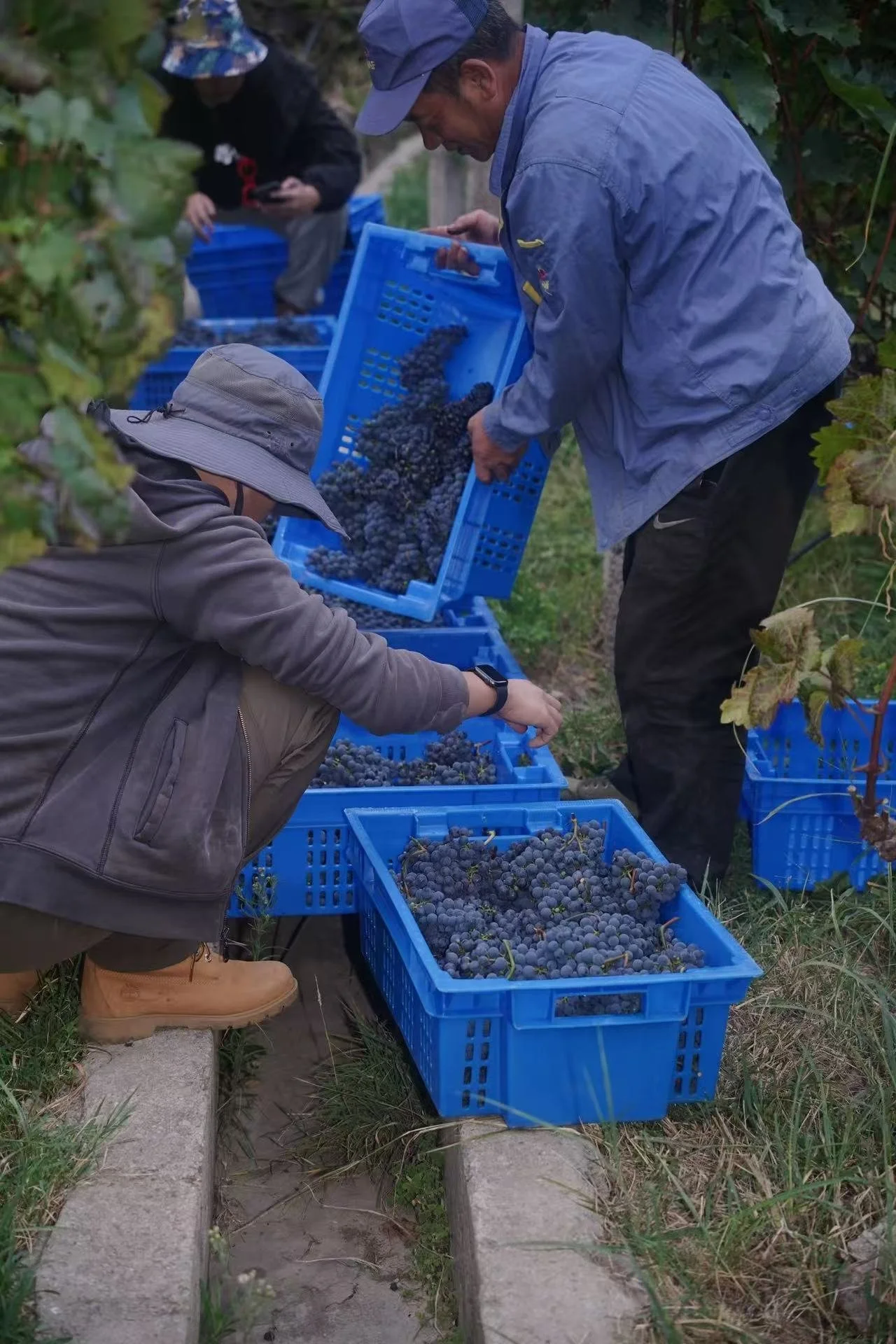
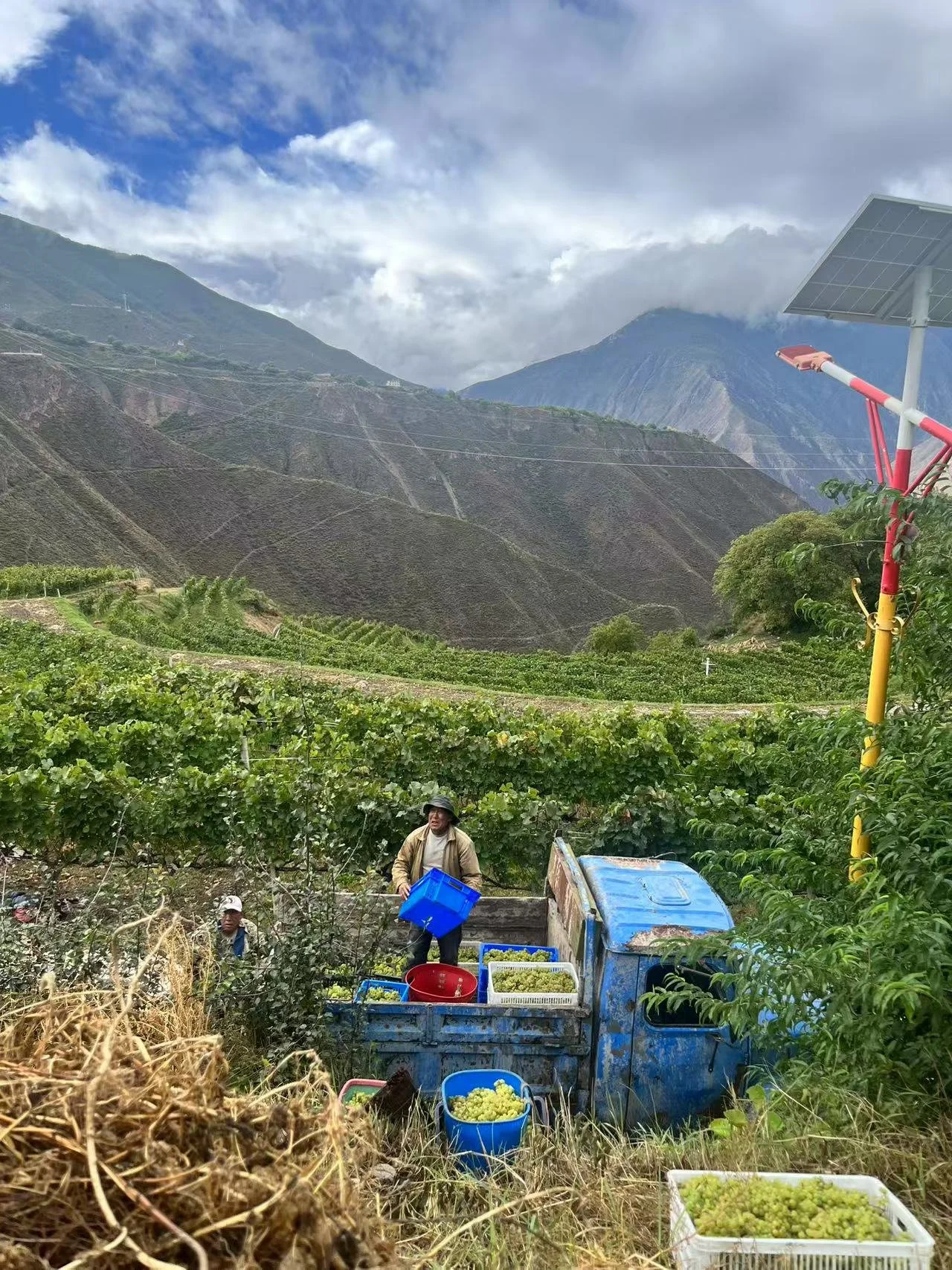
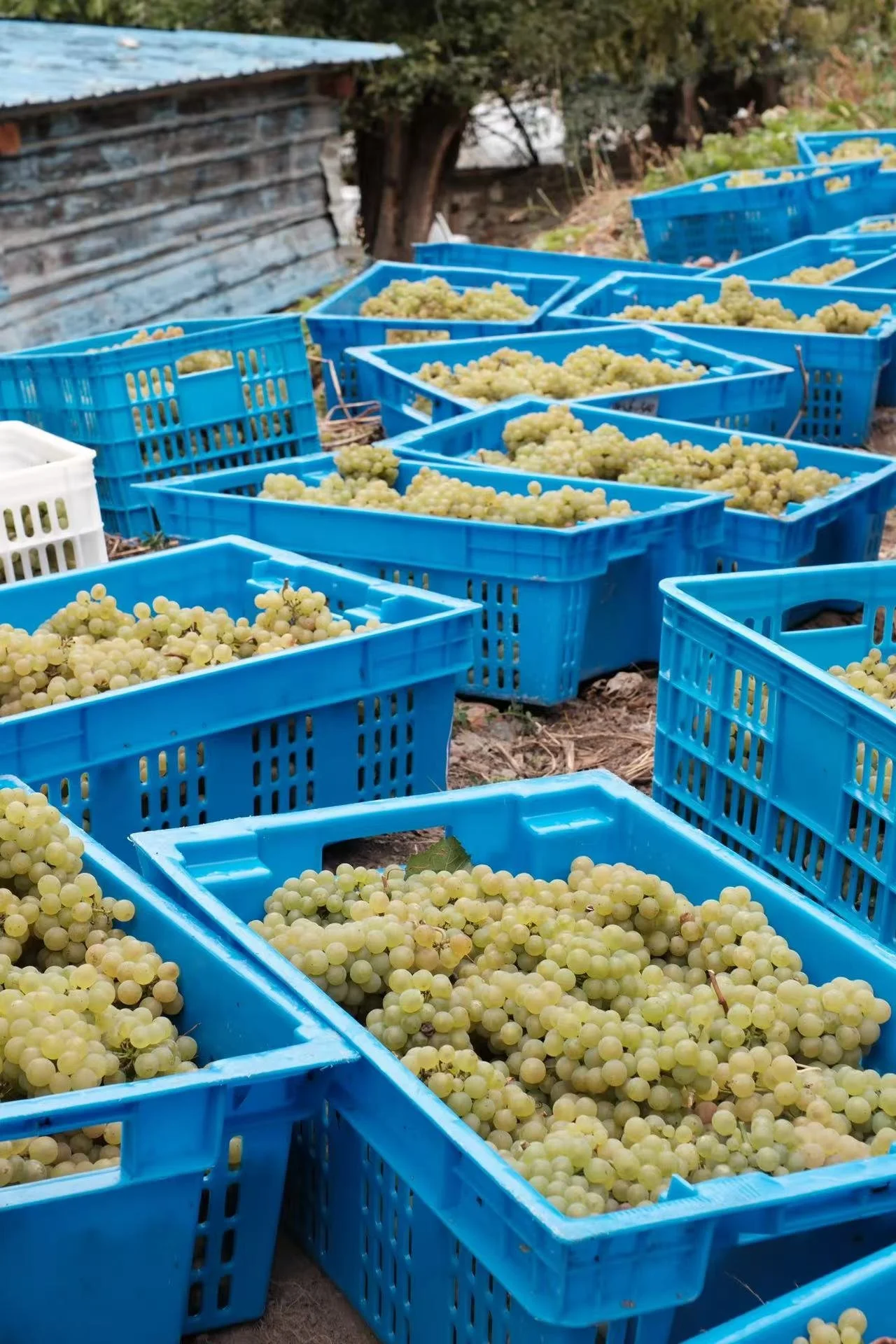
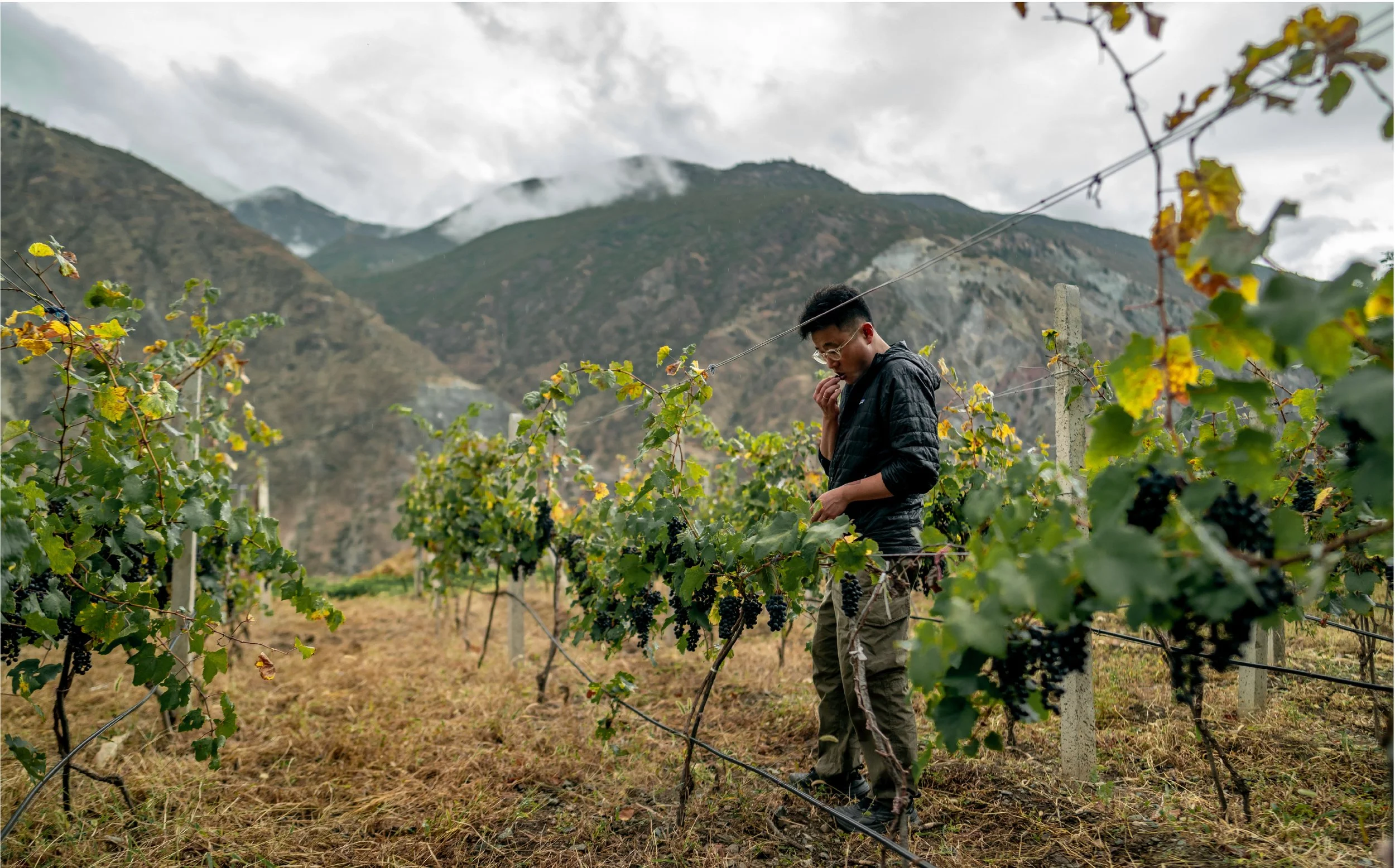
Tinnyu is a ‘garage’ winery based in Shangri-La, Yunnan. With just 0.83 hectares across three villages ranging from 2,300 to 2,800 metres above sea level - Xi-Da, A-Dong, and Mei-Li-Shei. The team work closely with the vineyard’s Tibetan residents year-round, spending half the year on location guiding them through budburst, veraison, harvest, and pruning. Yunnan is isolated and far-removed from the cosmopolitan wine-drinking cities of Shanghai and Guangzhou, so Yuxuan and Leqi spend the rest of their time doing marketing and sales in China’s Tier 1 cities.
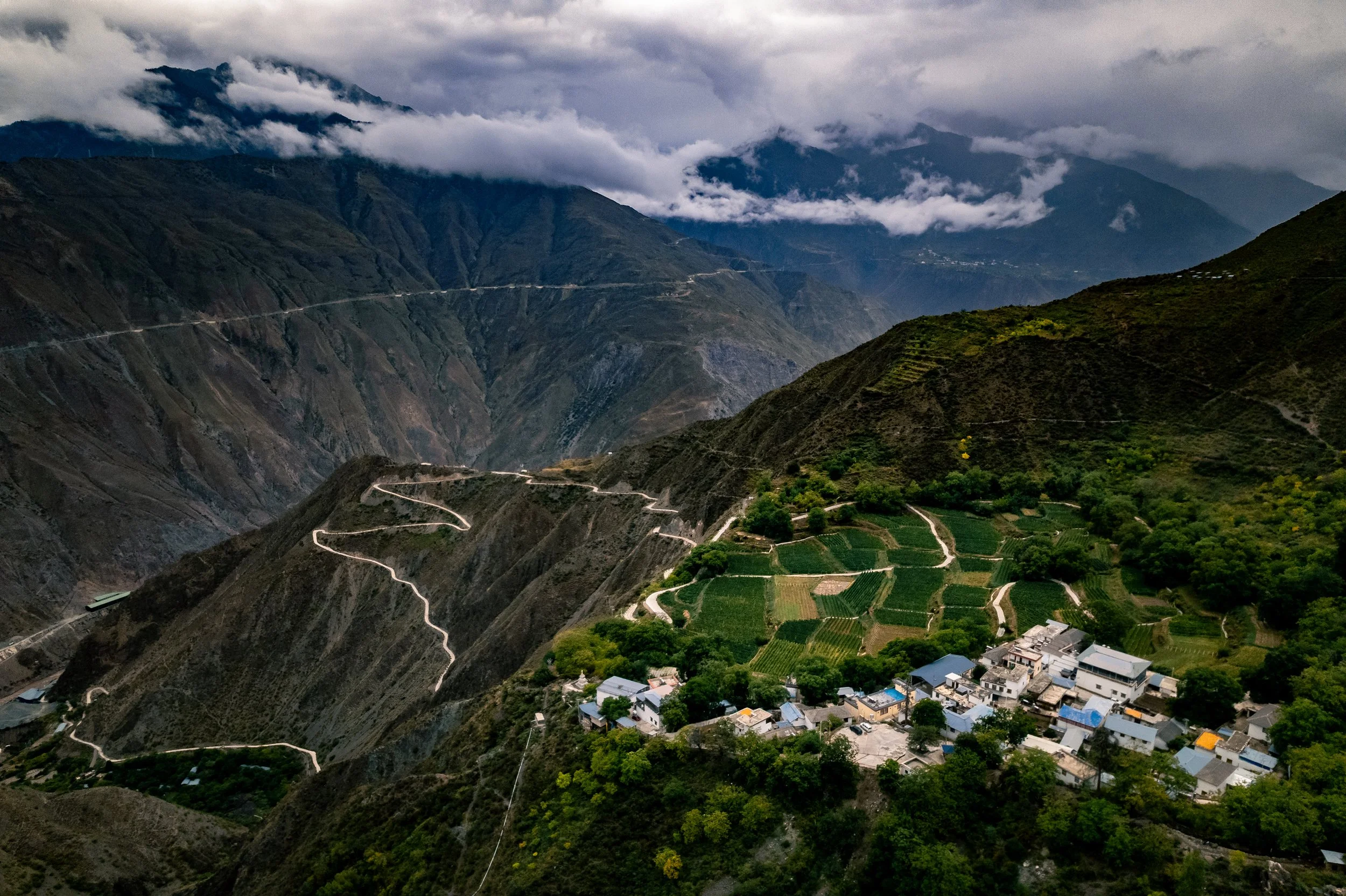
At the intersection of Yunnan, Sichuan, and Tibet, Shangri-La’s wine region is one of the highest-altitude wine-producing areas in the world. The vineyards are predominantly located along the valleys of the Lancang and Jinsha rivers, on tiny flats - often only a few hundred metres long - surrounded by dramatic mountain peaks piercing the sky. The treacherous one-lane roads that connect them are nearly a straight drop to the valley hundreds of metres below, making the process of getting in and out a slow, arduous task.
Shanghai-based Leqi met Shandong-based Yuxuan in 2020, when the two were working at Domaine Franco-Chinois, a pioneering winery and research estate in Hebei. After deciding they wanted to work for themselves, the two took a risk and used Leqi’s connections in Yunnan to start Tinnyu in 2021. The pair had both previously travelled to France on separate occasions to pursue winemaking - Leqi at the Bordeaux Sciences Agro Institute of Agricultural Sciences, and Yuxuan at Universite de Reims Champagne Ardenne. Both completed several vintages in France before returning to China, where Leqi had the opportunity to work at Ao Yun winery in Yunnan - making connections with the locals and familiarising herself to the winemaking possibilities of the region.
With their first vintage in 2022, Tinnyu made just 500 bottles from 0.12ha of Chardonnay vines planted in A-Dong Village in 2008. They then jumped at the opportunity to farm 0.13ha of Cabernet Sauvignon from Meili Shi Village - expected to disappear within 5 years due to the construction of a dam along the Lancang River. Shortly after their first vintage, the team assumed management of 0.44ha of Chardonnay vines in Xi-Da Village, quadrupling their volume and allowing them the opportunity to creatively blend parcels and make single-vineyard wines.
Surprisingly, traditional Tibetan farming practices - based on China’s 24 solar farming terms - have several similarities to biodynamic practices, resulting in quality fruits reflective of the unique environment. By using further regenerative agricultural practices such as reducing tillage, cover crops, and compost, Tinnyu stimulates soil regeneration, enriches biodiversity, optimises water cycles, aids carbon sequestration, and enhances the vineyard ecosystem to increase climate resilience, maintaining balance and reducing the need to use fertilizers, herbicides and pesticides.
Yunnan’s environment is unlike anywhere else on earth, and Tinnyu’s dedication to capturing the region’s unique character by working in the vineyard rather than the winery - using minimal new oak to capture the freshness of this high-altitude region - will continue to set them apart from their peers. This is already being recognised around the country, with Nora’s Wine Bar in Shanghai, and La Cabane in Hong Kong championing these fascinating bottles of wine.
I am proud to announce that Australia will be Tinnyu’s first venture outside of Asia, landing in Melbourne at the end of October.
Introducing Xiao Pu
“A radical departure from mainstream Chinese wine production which, for the past decade or more, has consisted of lots of huge new plantings, mostly of Cabernet Sauvignon” - Max Allen
Xiao Pu was one of those wineries that found me. I had just spent 3 months deeply researching everything about Chinese wine, combing every corner of the internet for information. Whilst I found a lot of ambitious, high-priced Bordeaux inspired wines, I couldn’t help but wonder what else was out there. Several acquaintances came back with one name: Ian Dai.
It seemed to be written in the stars. Not only was Ian coming to Melbourne a few weeks after we got in contact, but he had already been working with Francesco Tang, who shared a warehouse with a friend of mine, to bring Xiao Pu wines to Melbourne.
Immediately, I resonated with Ian’s winemaking philosophy and approach - unpretentious and hedonistic, wine made to be drunk every day in good company. They can be drunk out of a wine glass or a plastic cup - either way, they’re not trying to be serious, they’re fun.
We shared a bottle in Melbourne, he shared his story. He left a few bottles to sample in my own time, which I found to be an exciting breath of fresh air from everything I had sampled to date. Everything just made sense, and before we knew it, Xiao Pu was in Australia.
Founded in 2017, Xiao Pu is the ‘nomadic winery’ by négociant, travelling winemaker, educator, and wearer-of-many-hats Ian Dai. Partnering with over a dozen growers across 6 provinces (Ningxia, Gansu, Inner Mongolia, Hebei, Sichuan, and Yunnan), he makes lo-fi, natural-style cuvées including orange Chardonnays, light red Gemischter Satz, and flor-affected whites.
His bold, unapologetic style has placed him at the forefront of the natural wine movement in China. With dozens of small-batch cuvées every year, he has earnt a cult following and undoubtedly changing the direction of Chinese wine domestically and abroad.
By moving growers towards sustainable farming methods and regenerative agriculture, Xiao Pu operates under a deep respect for the land - capturing the unique characters of each region in China where he operates. He aims not to make a ‘perfect’ wine, but a true, living wine that reflects the land and its moment in time.
At the time Xiao Pu was founded, few people in the industry understood the travelling négociant model - most believed that in order to make high-quality wine, you needed a big Château, state-of-the-art winemaking equipment, and rows upon rows of vines. Ian proved that with the bare necessities, some improvisation, and a bit of grit, high-quality wine could still be achieved.
The freedom provided by négociant winemaking allows Xiao Pu to evolve in ways that traditional estates cannot: access to underutilised varieties such as Dornfelder and Welschriesling, and opportunities to make wine across diverse terroirs and microclimates.
Ian is now based in Chengdu - a more centralised location closer to his growing partners and vineyards in Ningxia, Yunnan, Gansu, Inner Mongolia, and Sichuan. However, vintage is spent dancing across the country - a night in one place picking, lunchtime on a plane, the afternoon in another place crushing, and repeat.
He has paved the way for younger innovative, experimental winemakers through the Young Generation China Wine group. He doesn’t see his wines as ‘natural wine’, opting instead for ‘minimal-intervention’, ‘slow-winemaking’, or ‘natural-style’ wine. Always collaborating with industry leads and restauranteurs to champion Chinese wines in their venues. He is also one of the faces of the successful Chinese-speaking wine podcast, Wine Wave (自然浪潮).
I am so proud to represent Xiao Pu in Australia, alongside Francesco Tang at Fancy Fine Wine.
Introducing Puchang Vineyard
“Puchang Vineyard is one of the country’s best wineries making outstanding wines with alternative varieties. Rather than go planting the usual Cabernet Sauvignon and Merlot that now many in China are abandoning, they sought grape varieties that were most likely to give the best results in a desert, extremely hot during the day and extremely cold during the night habitat. Puchang have simply understood than in its climate reality, the usual grape varieties might not have been the right choice.” - Ian D’Agata
China’s wine industry is dominated by international grapes and Bordeaux blends. Everywhere, producers grow Cabernet Sauvignon, Marselan, Merlot, and Cabernet Gernischt. When first reading about China’s wine industry in early 2024, Puchang Vineyard stuck out like a colourful gem amongst dull coloured rocks.
After a call with Clara Wang, daughter of winery owner and Hong Kong businessman KK Cheung, I was enamoured by the family’s ambition to change the world’s perception of Chinese winemaking. The wines sampled - a Muscat, Rkatsiteli, Saperavi and Beichun - were a breath of fresh air amongst the sea of Cabernet Sauvignon-dominated, 100% new Burgundy oak barrel reds tasted with Melbourne’s sommeliers. It demonstrated what China could do when not giving in to market trends.
Puchang vineyard balance both ancient roots and bold, industry-leading innovation. These grape varieties have been found in the region since the early days of the Ancient Silk Road, but their decision to champion them is avant-garde in a world of monotonous international varieties.
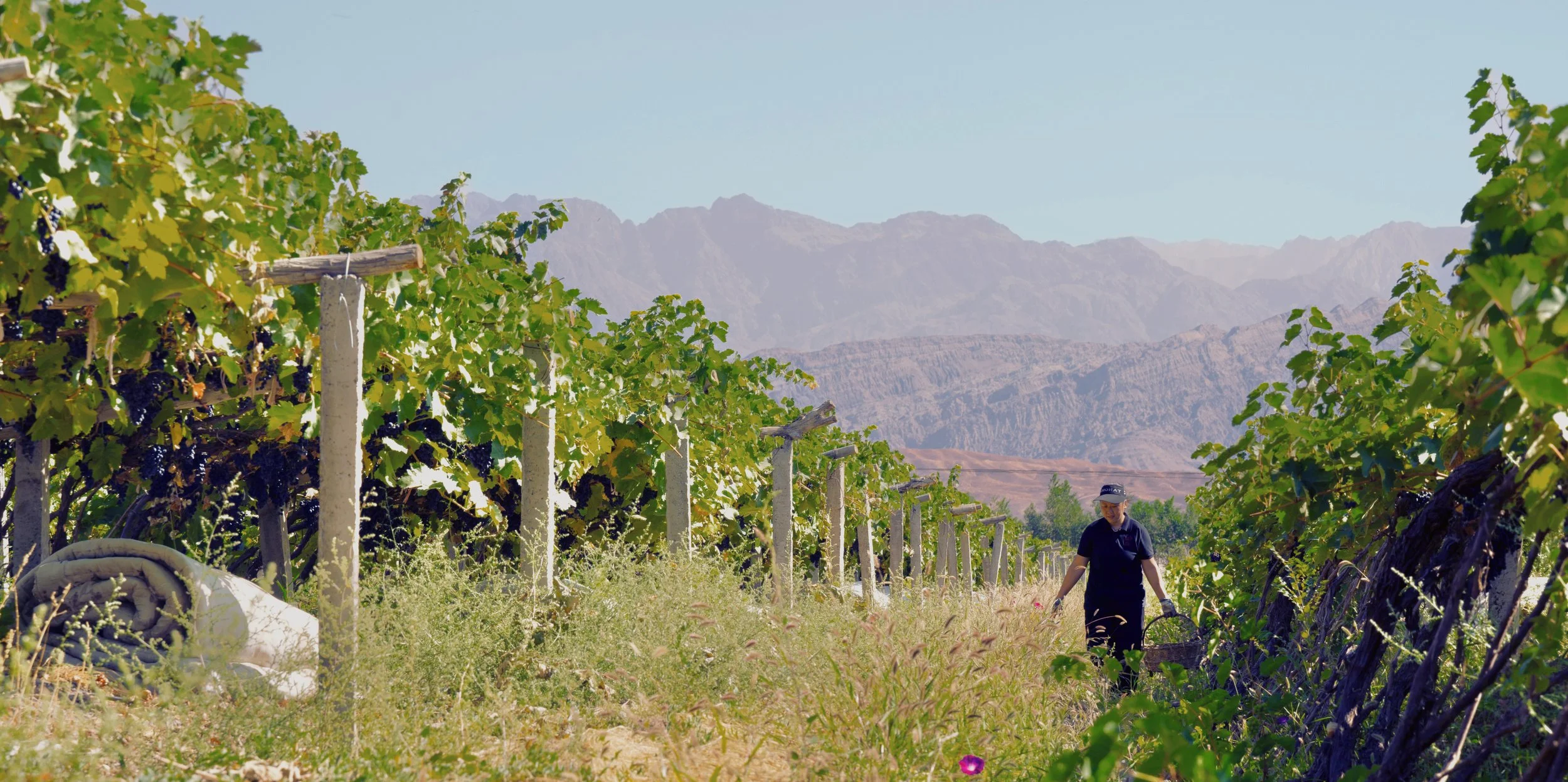
Wedged between the Turpan Depression and the Tian Shan mountains in Xinjiang, the three vineyards managed by Puchang Vineyard are planted on desert - with Gobi sand at lower altitudes, and desert rocks higher up the mountains. However, the region’s historical significance as a Silk Road oasis and rich grape-growing culture have set the foundations for Puchang Vineyard to find its identity in its history.
In 2013, the Cheung family brought on Loris Tartaglia, an Venetian-born winemaker with 20 years experience, to lead the winery alongside Bordeaux consultant Gérard Colin - who had previously contributed to Grace Vineyard and Domaine de Long Dai. With an emphasis on organic farming practices, ECOCERT was easy to obtain - the harsh climate unsuitable for weeds and pests.
On the edge of the Taklamakan desert, Puchang Vineyard rely on the ancient 5,000km-long Karez irrigation system, one of the three great ancient Chinese engineering projects alongside the Great Wall and Grand Canal.
These wines are classically and typically Xinjiang - rich, opulent and ripe from very hot days, whilst still retaining acid from the very cold nights. The Muscat (Roudingxiang) is especially aromatic, whilst the Rkatsiteli retains a steely, saline edge - a unique expression for a grape typically made with extended maceration. The Saperavi is dusty, savoury and brooding - like a southern Italian red. Whilst the Beichun has a unique dried fruit / amarone character whilst holding dusty, drying tannins.
The Italian influence is difficult to ignore, given Loris Tartaglia’s role in the winery.
I am excited about the opportunity to represent Puchang Vineyard in Australia, who have resiliently proven that alternative grape varieties can produce world-class wines. I love an underdog story: I wouldn’t be championing Chinese wine if I didn’t.
Introducing Silver Heights
It all begins with an idea.
“I travel widely around the world of wine but I honestly think that Emma Gao is the most naturally vivacious wine producer I have ever met” - Jancis Robsinon MW
I first encountered Silver Heights when I started reading about China’s wine industry in early 2024. At the time, I didn’t know anything about Chinese wine, and information was scarce. However, one name kept getting mentioned by critics, blogs, videos, and authors: Emma Gao.
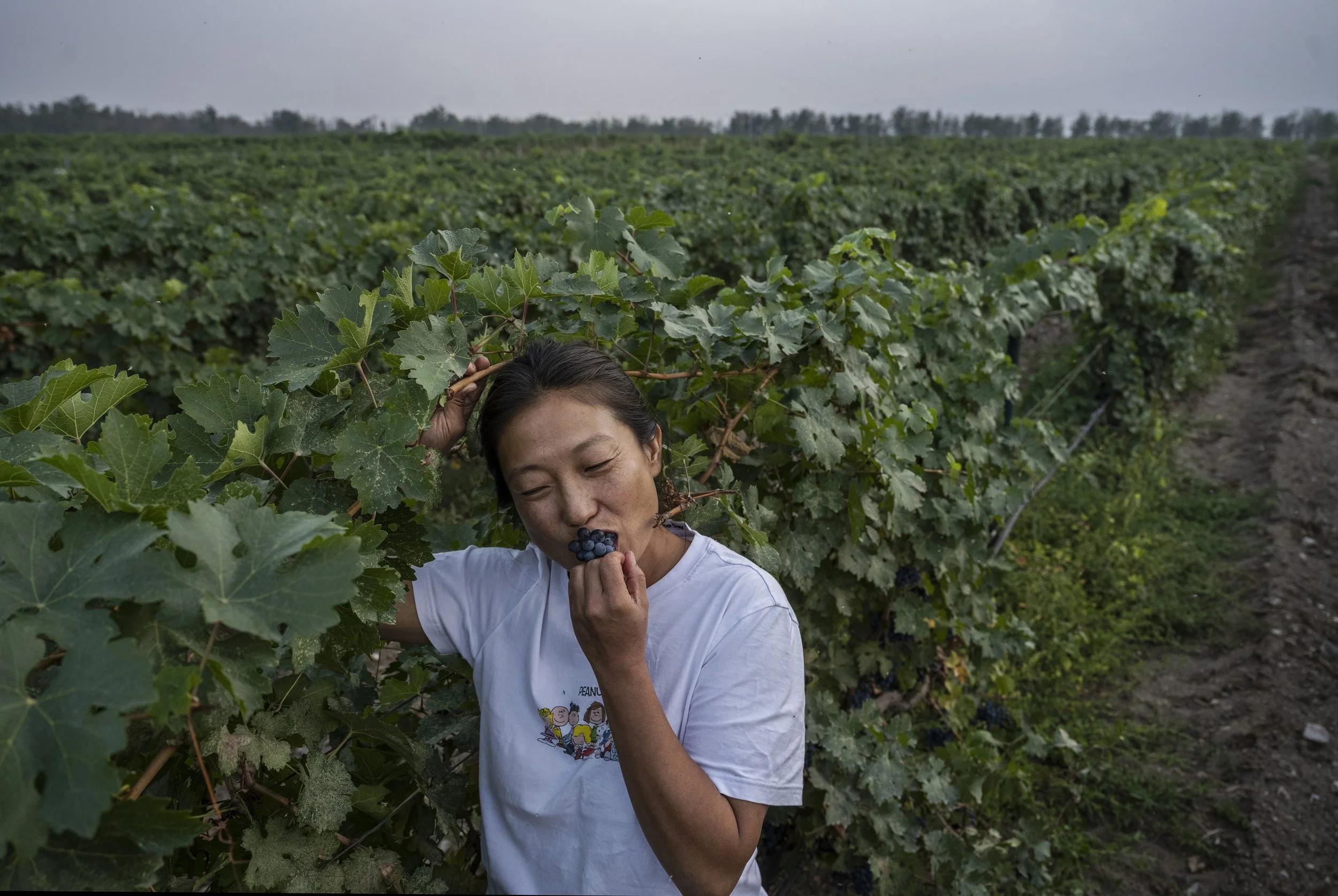
Without the capacity to travel there in person, I contacted Emma via email, anxious for a reply. Weeks passed. I heard from dozens of other wineries in the area, but none were as enchanting as this headstrong, passionate, and committed Chinese winemaker in Ningxia.
Finally, a reply! A few sample bottles arrived, and they were put to the test alongside 20 other Chinese wines. I followed my palate alongside the trusted palates of Melbourne’s most respected sommeliers. This was the one. Within 6 months, the first wines from Silver Heights arrived in Australia. Now, they are exported to over 12 countries including Australia.
Few others have achieved as much recognition for their commitment to China’s wine industry as Emma Gao, one of the few female owner-winemakers in the country. Born and raised in Ningxia, she has truly spent their time on the land she farms whilst supporting underrepresented local communities, speaking out about climate change, and setting the standard for Chinese wine worldwide. With a foot in both the traditional and innovative, Emma’s wines blend technical expertise with a profound respect for nature and tradition, encapsulating Ningxia’s style as both an established and evolving wine region.
‘The Summit’ is her magnum opus - critically acclaimed year after year, benchmarked as a Ningxia Cabernet Sauvignon, and served at state dinners.
‘Bloom’ is her tour de force - inspired by early evidence of fermented beverages, it combines grape and rice wine to give a unique identity only possible in China.
Fascinated by Chinese traditional medicine, Emma converted Silver Heights’ 70 hectares to biodynamic farming practices in 2017, complemented with farming methods from the Chinese lunisolar calendar. From 2023, Silver Heights is the only Chinese winery to hold Demeter certification for its commitment to biodynamic farming.
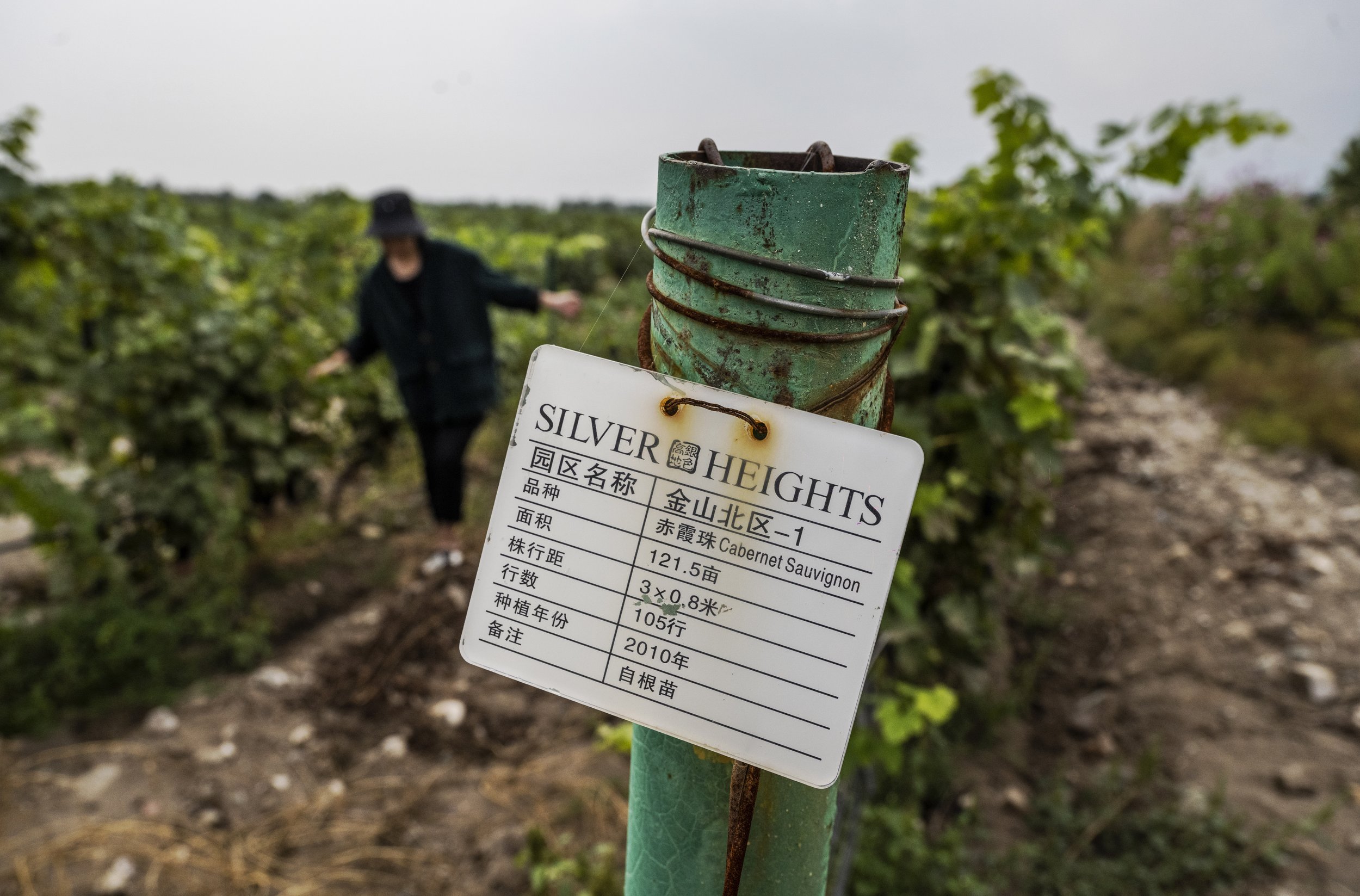
I’ve eagerly championed these wines for the last 12 months, and I am always blown away by the quality of winemaking. These biodynamically-farmed, zero- or low- sulphur cuvées are reliably stable and classically put together, with a touch of unadulterated innovation.
“My feeling for winemaking stems in large part from my deep knowledge of the complex geological and social terroir of northern Ningxia, something I carry in my bones. I used the term "social terroir" to refer to Ningxia's ethnically mixed population, but it also applies to the support of business partners and customers who have become close friends. Each year, friends of Silver Heights – both in Ningxia and from all around China – come to help sort and crush grapes, making our wines the work of many human hands but all bound together in a spirit of harmony.”
-Emma Gao